
Should You Grow African Violet Seeds for a School Project?
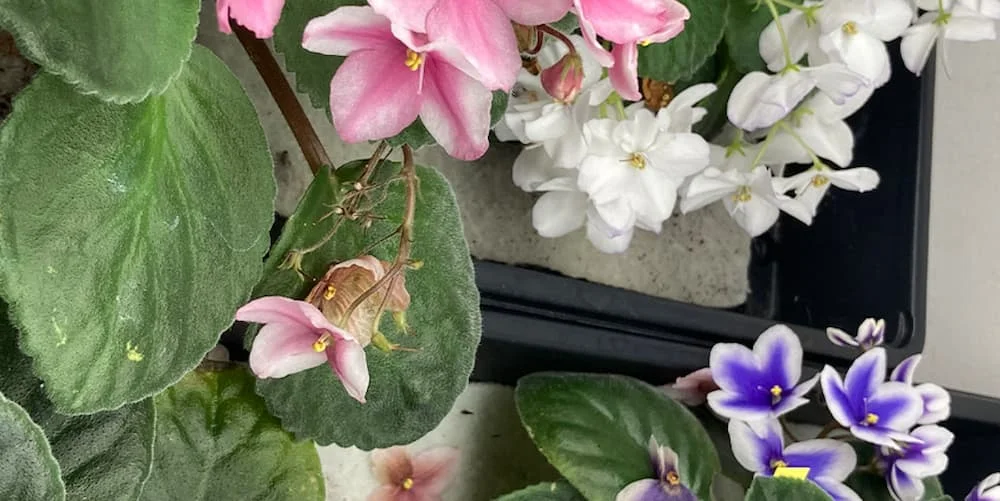
Should You Grow African Violet Seeds for a School Project?
Thinking about an African violet seeds school project for class? Yes, you can grow them for a school activity. But they may not be the best choice if your project is short. African violet seeds are very tiny. They usually take about 14 days to sprout. Flowers may take up to three months to appear. That is a long wait for many students. Faster plants like tomatoes, cucumbers, radishes, and zinnias are often easier for classroom projects. Still, African violets are a fun choice if you want to learn indoor gardening and plant care.
Quick Look Before You Start
Do you want a project that grows fast? Or do you want to learn how to care for a flowering plant over time?
African violets are beautiful indoor plants. Many people love them because they bloom in bright colors and do not need much space. But growing them from seed takes patience.
Before you choose your project, it helps to know what to expect.
Why Students Choose African Violet Seeds
African violets are different from many classroom plants. They are small indoor flowers with soft leaves and colorful blooms.
Students often pick them because they look unique. They are also great for learning how seeds grow into full plants.
An club project African violet seeds activity can work well for gardening clubs, science fairs, or long term classroom projects.
These projects help students learn:
- Plant growth
- Seed germination
- Indoor gardening
- Observation skills
- Daily plant care
How Long They Take to Grow
This is the biggest thing students should know.
African violet seeds grow slowly compared to many other plants.
Here is a simple timeline:
| Stage | Average Time |
| Germination | About 14 days |
| Small seedlings | 4 to 6 weeks |
| Young plants | 2 months |
| First flowers | Up to 3 months |
If your school project lasts only one or two weeks, you may not see flowers before the deadline.
That is why many teachers choose faster growing seeds for younger students.
Good Things About This Project
Even though they grow slowly, African violets still make a good learning project.
- They Teach Patience
Students learn that plants need time and care.
- They Grow Indoors
You do not need a garden outside. A bright room is enough.
- They Look Beautiful
When flowers finally bloom, the results are rewarding.
- They Help Students Observe Nature
Students can track growth, moisture, and leaf changes over time.
Challenges Students May Face
African violet seeds are small and delicate. This can make planting harder for beginners.
Tiny Seeds Are Hard to Handle
The seeds almost look like dust. It is easy to plant too many in one spot.
Too Much Water Can Harm Them
The soil should stay moist, not wet.
They Need Indirect Light
Strong direct sunlight can damage young plants.
Flowering Takes Time
Many students expect fast flowers. African violets need patience.
Faster Seeds for School Projects
Need quick results? Some plants grow much faster.
Radish Seeds
These are one of the fastest classroom plants. Sprouts may appear in just a few days.
Tomato Seeds
Tomatoes grow quickly and are easy for beginners.
Zinnia Seeds
Zinnias grow colorful flowers faster than African violets.
Cucumber Seeds
Cucumbers are simple to grow and show fast progress.
These plants are usually better for short classroom activities.
Simple Growing Tips
Want better success with African violet seeds? Keep things simple.
- Use Light Soil
Seed starting mix works best.
- Do Not Bury the Seeds Deep
Press them gently onto the soil surface.
- Keep Them Warm
Warm indoor temperatures help germination.
- Use Gentle Light
Bright indirect light works best.
- Be Patient
Healthy African violets take time to grow.
Closing Thoughts
So, are African violet seeds the right choice for your school project? The answer depends on your timeline and project goals.
Yes, you can. They are fun, beautiful, and educational. But they are better for long term projects than short classroom assignments.
If you need quick results, choose faster plants like radishes or tomatoes. But if you want to learn indoor gardening and plant care, African violets are a great option.
Looking for quality seeds? Consider buying from Nadeau African Violet Seeds. Good seeds can make the growing process easier and more enjoyable for students and teachers.
FAQS
- How do LED lights help African violet seed germination and growth?
African violet seeds require light to germinate. A 23-watt CFL bulb or LED shop lights can provide the proper light intensity for both seedlings and mature plants. Keep the light source about 10–12 inches above the plants for best results.
- Can I trust African violet seeds purchased online?
Not always. Some buyers have reported receiving seeds that were not genuine African violet seeds. Purchasing from reputable specialty growers can help ensure seed authenticity.
- How are African violets pollinated?
African violets (Saintpaulia ionantha) are pollinated by transferring pollen from one flower to another using small tools and magnification equipment. This process helps produce viable seeds for propagation.
- Can African violet seeds be shipped internationally?
Yes. Many African violet seed suppliers ship internationally, including to countries such as Japan and many other locations worldwide.
- Are African violet seeds suitable for school projects?
They can be used for school or club projects, but they may not be ideal for short-term activities because the seeds are tiny, take about two weeks to germinate, and may require several months to bloom.
- Is it better to grow African violets from seed or leaf cuttings?
Growing from seed creates more genetic diversity and unique plant varieties, while leaf cuttings produce clones that are genetically identical to the parent plant.
Author Bio
This blog is prepared by the team at Nadeau African Violet Seeds. Their goal is to help students, teachers, and plant lovers learn more about growing African violets in simple and practical ways.
Business Details
Nadeau African Violet Seeds
Website: https://nadeausafricanvioletseeds.com/
Nadeau African Violet Seeds has been producing and selling African violet seeds since 1980. The company offers both retail and wholesale African violet seeds for growers around the world. Their focus is on helping gardeners successfully grow healthy and colorful African violets from seed.
The company is known for its research based growing methods, detailed planting instructions, and years of experience with African violet hybridization and seed production.
