
How to Start a Club Project Growing African Violets from Seeds
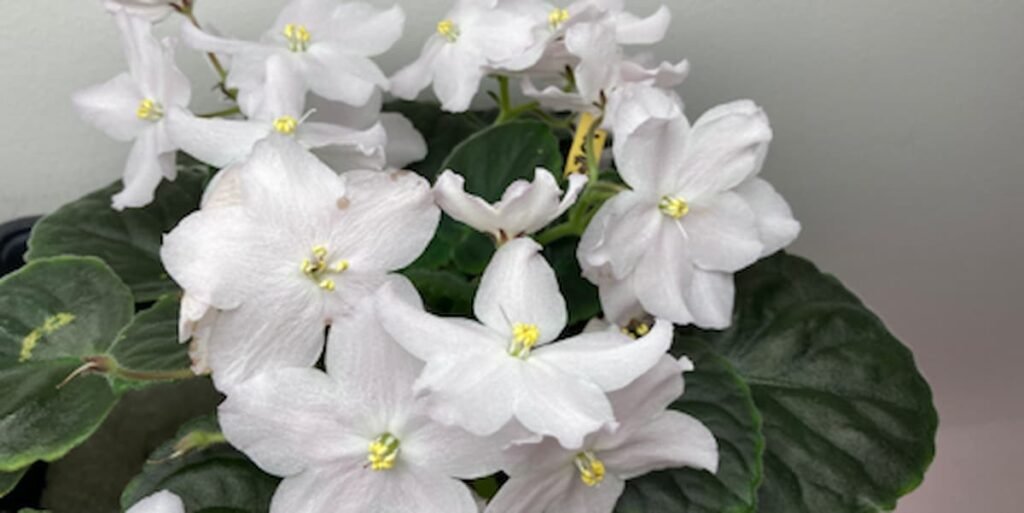
How to Start a Club Project Growing African Violets from Seeds
Starting a club project African violet seeds activity is one of the easiest and most rewarding ways to bring people together around a shared growing project. We can grow many plants from tiny seeds, observe the differences between seedlings, and eventually watch those plants develop into unique blooming African violets.
At Nadeau African Violet Seeds, we have produced and sold African violet seeds since 1980. I am Ronn Nadeau, and I hold a PhD in organic chemistry. Over many years, I have grown, tested, and observed African violet seeds and seedlings, including rare and unusual types. My goal is simple: I want to help growers experience the magic of raising African violets from tiny seeds into beautiful flowering plants.
Key Takeaways
- A club project can make growing African violet seeds educational, social, and enjoyable.
- Each participant can grow seedlings and compare the differences that develop over time.
- African violet seeds should be started on a suitable moist germination mix.
- The seeds should be scattered on the surface rather than buried deeply.
- Good artificial lighting and consistent moisture are important for strong seedlings.
- An indoor garden African violet project can work well for schools, garden clubs, hobby groups, and community organizations.
- Growing from seed can produce surprising and unique plants, making every project exciting.
- We provide seed-growing instructions so participants can begin with a clear process.
Why Is Growing African Violets from Seeds a Great Club Project?
African violet seeds are an excellent choice for a club project because they allow participants to follow the complete journey from seed to flowering plant. Everyone can take part, whether they are experienced gardeners or complete beginners.
One of the most exciting parts of growing African violets from seed is that the seedlings can be different from one another. This creates a natural learning experience. Members can compare leaf shape, plant size, foliage patterns, growth rate, and eventually the flowers produced by their plants.
I especially enjoy seeing the moment when a group realizes that the tiny seedlings they have been caring for may become beautiful and distinctive mature plants. A club project becomes more than simply planting seeds. It becomes an ongoing experiment in observation, patience, and discovery.
Who Can Start an African Violet Seed Club Project?
Almost any group can organize this project, including:
- Garden clubs
- School science clubs
- Classroom gardening programs
- Senior community groups
- Youth organizations
- Home-school groups
- Indoor gardening clubs
- Botanical societies
- Families and neighborhood groups
The project can be adjusted to suit the size and experience level of the group.
What Do We Need for a Club Project with African Violet Seeds?
A successful project does not require complicated equipment. I recommend keeping the setup simple and giving each participant a clear set of responsibilities.
Here is a basic list of supplies:
| Supply | Why We Use It |
| African violet seeds | The starting point for the project |
| Peat moss-based germination mix | Provides a suitable growing medium |
| Small pots or containers | Holds the germination mix |
| Clear plastic bags | Helps maintain moisture |
| White LED or fluorescent lights | Provides consistent light |
| Water | Keeps the growing medium properly moist |
| Labels | Helps identify each group or experiment |
| Notebook or digital journal | Records growth and observations |
On my website, I recommend using a peat moss-based germination mix. Some coir may be present, but I do not recommend using a mix made entirely of coir. The mix should be moist before sowing, but it should not be excessively wet.
For a club project, I suggest dividing members into small teams. Each team can grow one container or test a simple growing question.
How Do We Organize the African Violet Seed Project?
The best approach is to organize the project around simple stages. This helps every participant understand what is happening and makes it easier to track progress.
Step 1: Choose a Project Leader
Every group should have one person responsible for organizing supplies, instructions, and progress records. This person does not need to do all the work. The leader simply helps the group stay organized.
Step 2: Give Every Member a Role
Possible roles include:
- Seed handling
- Soil preparation
- Labeling containers
- Water and moisture monitoring
- Light monitoring
- Photography
- Growth measurement
- Record keeping
Rotating these roles can help every member learn about the entire growing process.
Step 3: Set a Regular Observation Schedule
We recommend choosing one day each week for observations. During that time, members can record:
- How the seedlings look
- Whether the growing medium remains moist
- Seedling size
- Number of leaves
- Differences between plants
- Any unusual growth
Regular observations make the project more meaningful because members can see gradual changes that might otherwise go unnoticed.
How Do We Plant African Violet Seeds for the Club Project?
African violet seeds are very small, so careful handling is important. We recommend preparing your work area before opening the seed packet.
First, place a sheet of paper on the table to catch any stray seeds. Then use a smaller piece of paper or index card to help guide the seeds onto the surface of the prepared growing mix.
Our Basic Seed-Sowing Method
- Prepare a peat moss-based germination mix.
- Moisten the mix with water.
- Place the moist mix in a small container at about one inch deep.
- Spread the tiny seeds carefully and evenly over the surface.
- Do not bury the seeds deeply.
- Place the container inside a transparent plastic bag.
- Fold the bag around or under the container to help retain moisture.
- Put the container under suitable artificial lighting.
On my site, I explain that good light can come from fluorescent or white LED lights, with the sowing surface positioned roughly 9 to 12 inches below the light. I also recommend a 12-hour-on, 12-hour-off lighting cycle for this method.
How Can an Indoor Garden African Violet Seeds Project Work?
An indoor garden African violet seeds project can be especially useful because the group can create more consistent growing conditions. Indoor projects are not dependent on outdoor weather, and members can observe the plants throughout the year. A simple indoor growing area can include shelves, containers, LED or fluorescent lights, and a regular observation schedule.
I recommend choosing a location where the plants can receive consistent light without being disturbed too often. Weak window light may cause seedlings to become stretched and difficult to handle, so suitable artificial lighting can be helpful during the early stages.
A Simple Indoor Club Garden Setup
|
Area |
Purpose |
| Seed-starting station | Sowing and germination |
| Light shelf | Early seedling growth |
| Observation table | Recording and comparing plants |
| Transplant area | Moving larger seedlings |
| Display area |
Showing developing plants |
This setup turns the project into a small indoor garden laboratory.
What Can Club Members Learn from Growing African Violets from Seed?
The direct answer is: quite a lot. This project combines gardening with observation, science, responsibility, and creativity. I hold a PhD in organic chemistry, and my scientific background has influenced how I approach growing and testing seeds. Careful observation and experimentation are important. For a club, however, the project does not need to become complicated. Even simple questions can teach members how plants respond to their environment.
Club Project Experiment Ideas
Members can investigate questions such as:
- How does seedling growth change over time?
- Which seedlings develop the fastest?
- How do individual seedlings differ from one another?
- What leaf patterns appear?
- How does careful record keeping help us understand plant growth?
- Which plants eventually produce the most interesting characteristics?
We encourage members to take photographs at regular intervals. A photo record can show changes that are difficult to notice when you see the plants every day.
A First-Hand Observation from Our Work
After working with African violet seeds for decades, one lesson I continue to see is that growing from seed creates an element of discovery. Individual seedlings can develop differently, and that is part of what makes seed growing so enjoyable.
My website also features different seed categories, including Heirloom, Little Gems, Fantasy, and Variegated types. The categories can provide different starting points for growers interested in plant size, foliage, classic parentage, or striking flower characteristics.
How Do We Keep African Violet Seedlings Healthy?
The most important factors are suitable moisture, good light, careful handling, and patience. Tiny seedlings need a stable environment.
When the sowing container is enclosed, moisture should remain available to the developing seedlings. Under the growing conditions described in our instructions, condensation may appear inside the plastic enclosure. If the growing medium becomes too dry, careful adjustment may be necessary.
I also recommend avoiding constant handling of very small seedlings. Club members should observe them carefully but allow them to develop before transplanting.
Common Problems to Discuss in Your Club
Problem: The growing mix is too dry.
Answer: Check moisture and follow the recommended method for gently restoring moisture.
Problem: The mix is too wet.
Answer: Excess water can create problems. Begin with a moist mix rather than a saturated one.
Problem: Seedlings are stretched.
Answer: Review the quality and position of the light.
Problem: Some seedlings grow differently.
Answer: This can be part of the natural variation that makes seed-grown African violets interesting.
How Can We Make the Club Project More Fun?
A successful project should combine learning with celebration. We suggest creating milestones that members can enjoy together. For example, your club can hold:
- A first-seedling celebration
- A monthly growth comparison
- A “most interesting foliage” discussion
- A photography contest
- A plant journal presentation
- A final flowering celebration
You can also ask each member to name their favorite seedling. If a plant develops especially interesting characteristics, the group can follow its progress over a longer period.
Growing plants from seed takes time, but that time is part of the project. I encourage groups to enjoy the process rather than focusing only on the final flowers.
What Should We Do When the Club Project Is Finished?
The project does not have to end when the plants become established. A successful African violet seed project can become the beginning of a long-term club tradition.
Members can:
- Continue growing their favorite plants
- Share plants with new members
- Compare mature plants
- Start a new batch of seeds
- Try another seed category
- Create a yearly plant exhibition
- Document results for future club members
You can also build a complete learning hub around the project. Useful related topics include:
- How to germinate African violet seeds
- How to grow African violet seedlings indoors
- When to transplant African violet seedlings
- How to choose African violet seed varieties
- How to grow African violets under LED lights
- African violet seed projects for schools
- How to record a plant growth experiment
These supporting articles can answer specific questions while connecting back to your main club project guide.
Start Your African Violet Club Project with Us
Starting a club project with African violet seeds is a wonderful way to combine science, gardening, creativity, and community. From the moment we sow the tiny seeds to the day we see unique plants develop, the project gives every participant something meaningful to observe.
At Nadeau African Violet Seeds, I have been producing and selling African violet seeds since 1980. Our goal is to help growers turn seeds into beautiful blooming plants, and we provide instructions to help make the process easier.
Start your club project today. Choose your African violet seeds, gather your group, prepare your growing area, and begin the exciting journey from tiny seed to blooming plant with Nadeau African Violet Seeds.
However, you should remember that though African violet seeds can work for school and club projects, yet their slow growth makes them better suited for longer-term activities.
For projects that need quicker results, fast-growing plants such as radishes, zinnias, tomatoes, or cucumbers may be a better option.
Frequently Asked Questions
- Are African violet seeds good for a school or garden club project?
Yes. African violet seeds can work for school, garden, and hobby club projects because members can observe the complete process of seed germination, seedling growth, and plant development. However, these seeds may not be ideal for short-term projects, as they take around 14 days to germinate and up to three months to flower. Faster-growing seeds like radish, zinnia, tomato, or cucumber may be better for quick classroom activities.
- How many African violet seeds should your club start with?
The right number depends on the size of your group and the project goals. Starting multiple seeds allows members to compare seedlings and observe natural variation. At Nadeau African Violet Seeds, seed packets contain at least 100 seeds.
- Can we grow African violet seeds as an indoor garden project?
Yes. An indoor garden African violet seeds project can be a practical option for clubs because the group can provide a dedicated growing space and more consistent lighting and observation conditions.
- What kind of light do African violet seeds need?
Our growing instructions recommend good artificial lighting for the seed-starting stage, such as fluorescent or white LED lighting, rather than relying on weak window light.
- Why do African violet seedlings from seed look different from one another?
Seed-grown plants can show variation. This is one reason growing African violets from seed is so interesting: members can observe differences in foliage, plant growth, and eventually flowers as the plants mature.
Author Bio
Ronn Nadeau, PhD, Organic Chemistry is an African violet seed grower and the founder behind Nadeau African Violet Seeds. I have been producing and selling African violet seeds since 1980 and have spent decades growing, observing, and experimenting with African violet seedlings and rare seed varieties. My goal is to help growers, clubs, schools, and hobbyists experience the satisfaction of raising African violets from tiny seeds into beautiful blooming plants. Through Nadeau African Violet Seeds, I provide African violet seed varieties along with practical growing instructions for growers around the world.
