Choosing the Best African Violet Varieties for Your Club Project
Choosing the Best African Violet Varieties for Your Club Project
Quick Overview
I am Ronn Nadeau, holding a PhD in organic chemistry, and I have spent years growing rare African violet seeds. I sell these seeds online with clear instructions for sowing, soil preparation, and care. When organizing a club project African violet seeds, choosing the right varieties is critical for success. The right choice makes the project enjoyable, educational, and visually rewarding.
In this guide, I will explain how to pick the best African violet varieties for club projects. I will also give tips for gardeners in Canada, so you can select African violets that thrive in different climates.
Why Variety Selection Matters
African violets come in hundreds of varieties with different colors, flower shapes, and leaf patterns. Selecting the right variety for a club project matters because:
- It ensures all members can grow healthy plants
- It makes it easier to compare and track growth
- It provides variety in the display and final blooms
- It increases engagement and learning for participants
Factors to Consider for a Club Project
When choosing varieties, consider:
- Difficulty Level: Some African violets are easier to grow and are ideal for beginners
- Bloom Time: Fast-blooming varieties keep club members motivated
- Growth Habit: Compact or standard sizes may work better depending on space
- Leaf Type: Hairy, smooth, or patterned leaves add visual interest
- Flower Color: Bright colors increase excitement and aesthetic appeal
These factors help you choose varieties that suit the skill levels and goals of your club.
Popular African Violet Varieties for Clubs
Here are some examples of great varieties for club projects:
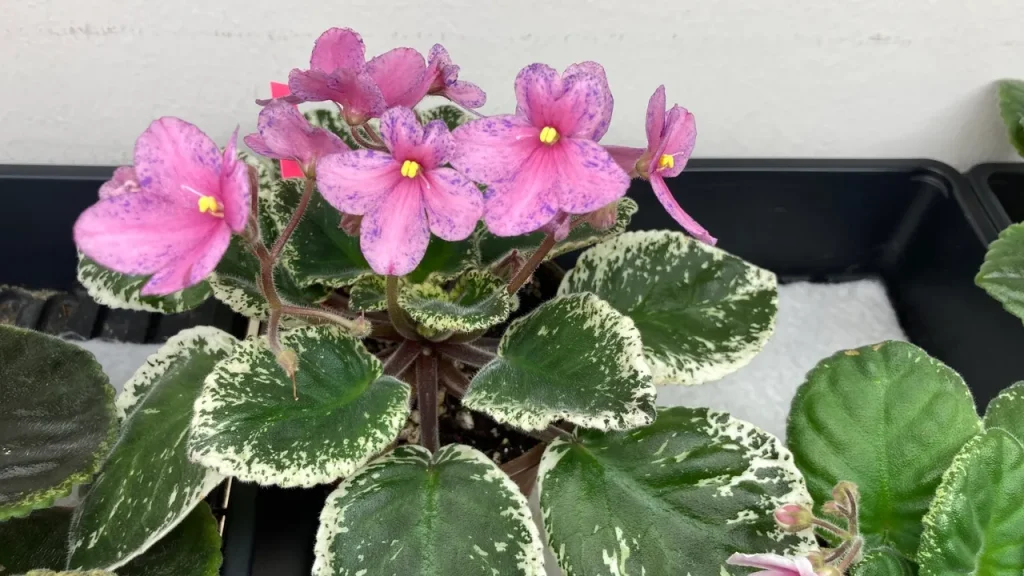
- Variegated African Violet Seeds
These plants have striking leaves with mixed colors, giving each plant a unique look.
They are visually appealing and perfect for club members who love colorful foliage. - Fantasy African Violet Seeds
Fantasy varieties feature unusual shapes, ruffled petals, or multi-colored blooms.
They add excitement and creativity to any club project with their whimsical flowers. - Heirloom African Violet Seeds
Heirloom varieties are classic, stable, and often passed down for generations.
They teach club members about traditional traits and reliable growth patterns. - Little Gems African Violet Seeds
Little Gems are small, compact plants ideal for limited space or indoor growing.
They are easy to manage and bloom quickly, making them perfect for club projects.
Selecting a mix of beginner-friendly and more challenging varieties keeps the project exciting and educational.
Color and Flowering Patterns
Flower color is one of the most attractive features of African violets. For club projects, consider:
- Mixing single and double blooms
- Using contrasting colors for display impact
- Including pastel shades for gentle visual appeal
- Selecting rare or unusual patterns for advanced members
A variety of flower types helps demonstrate the diversity of African violets and encourages learning about genetics and breeding.
Growth Habit and Size
African violets vary in growth habit:
- Compact: Usually 4 to 6 inches, ideal for limited space
- Standard: 6 to 12 inches, suitable for displays
- Trailing: Great for hanging pots or creative arrangements
Choosing the right size ensures your club members can grow the plants comfortably and display them effectively.
Temperature and Climate Considerations
Temperature is key for successful growth. Most African violets prefer 70 to 75 degrees Fahrenheit during the day and slightly cooler at night. For African violets for Canada, indoor growth is usually best because outdoor temperatures may be too cold or variable. Greenhouses or bright windows provide consistent warmth and light.
Humidity should be moderate. You can maintain this with humidity trays or by grouping plants together. Avoid drafts or sudden temperature changes.
Soil and Potting Requirements
African violets need well-draining soil. A good mix includes:
- Peat moss for moisture retention
- Perlite or vermiculite for aeration
- Fine compost for nutrients
Use shallow pots or seed trays for seedlings. Keep the soil lightly moist and avoid overwatering. A soil pH of 5.8 to 6.2 is ideal.
Care Tips for Seedlings
- Light: Bright, indirect sunlight for 12–14 hours daily
- Water: Mist gently to avoid washing seeds away
- Fertilizer: Use a diluted balanced fertilizer after true leaves appear
- Patience: Germination can take 14 days, with blooms appearing 2 to 3 months later
Consistent care ensures strong seedlings and healthy blooms for all club members.
Tracking Growth and Blooming in Club Projects
Keeping track of growth helps participants learn. For each variety:
- Record sowing date and germination date
- Note leaf size, color, and pattern
- Track bloom time and flower count
- Photograph plants for comparison
This approach makes the project educational and encourages discussion about plant genetics and care.
Sharing and Trading Seeds in Clubs
Club projects are not only about growing plants but also sharing knowledge. Members can:
- Trade seeds to diversify their collections
- Share growing tips and troubleshooting strategies
- Organize competitions for the best growth or blooms
- Donate plants for local displays or charity events
Sharing seeds encourages collaboration and increases the success rate for everyone.
Summary
Selecting the best African violet varieties is critical for a successful African violet club project. Consider difficulty level, bloom time, growth habit, and color variety. For members in Canada, ensure indoor conditions are optimal to support healthy growth. By following these guidelines, your club can enjoy strong seedlings, beautiful blooms, and an educational, rewarding experience.
African violets were named the Houseplant of the Year 2024, highlighting the growing popularity of this flower in the USA. ( source). Start your club project today with our rare African violet seeds and expert growing tips. Order now and watch your seedlings bloom into vibrant, healthy plants!
Frequently Asked Questions
1. Can beginners participate in African violet club projects?
Yes. Choosing beginner-friendly varieties ensures success for all members.
2. What varieties are best for Canadian climates?
Indoor varieties that tolerate cooler temperatures and lower light are ideal for Canada.
3. How long does germination take?
African violet seeds usually germinate in 10 to 14 days.
4. When do seedlings bloom?
Seedlings bloom approximately 2 to 3 months after sowing.
5. How should seeds be shared among club members?
Share seeds in small, labeled envelopes with sowing instructions for best results.
6. Can African violets from club projects be sold?
Yes. With proper care, these plants or seeds can be used for fundraising or profit.