
Can African Violets Survive Canadian Winters? Indoor Care Tips by Expert
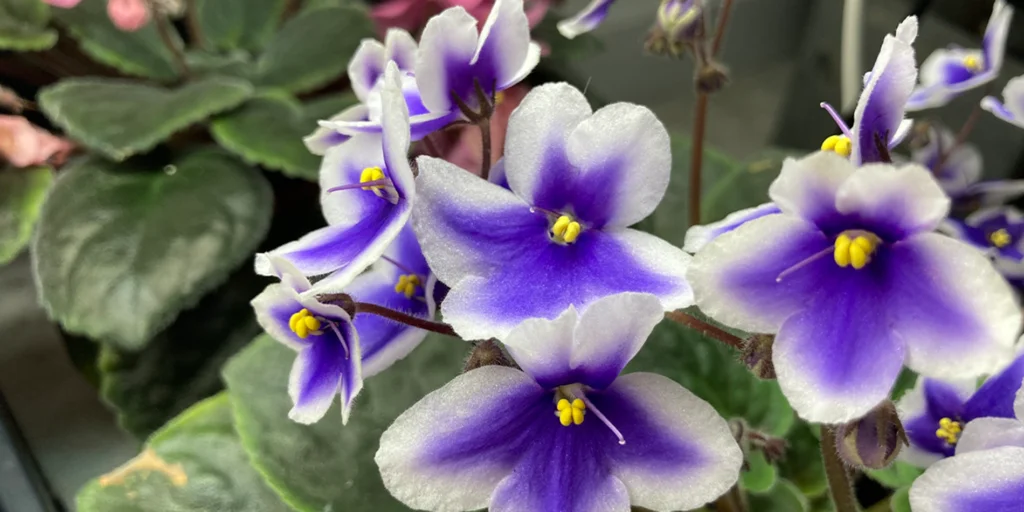
Can African Violets Survive Canadian Winters? Indoor Care Tips by Expert
Quick Overview
African violets can survive Canadian winters very well when grown indoors with the right care. According to research, these plants cannot grow in cold weather. (source). They need a warm temperature around 75 degrees Fahrenheit, consistent indirect light, and proper watering. As someone who has spent years growing rare varieties from seed, I have seen that indoor environments actually protect these plants from harsh cold conditions. With patience, seeds can germinate in about 14 days and bloom within 2 to 3 months. If you are buying African violets for Canada, you should keep this in mind. With the right setup, you can grow healthy and vibrant African violets at home.
Table of Contents
- Can African Violets Survive Canadian Winters
- Why Indoor Growing Works Best in Canada
- Ideal Temperature for Winter Growth
- Light Requirements During Short Days
- Watering and Humidity Tips
- Growing from Seeds Indoors
- Timeline from Germination to Bloom
- Common Winter Problems and Solutions
- Best Setup for Indoor Growing
- Care Table for Canadian Winters
- Final Thoughts and Call to Action
- Frequently Asked Questions
Can African Violets Survive Canadian Winters
Yes, African violets can easily survive Canadian winters when grown indoors. I always explain that these plants are naturally suited for indoor environments because they prefer stable temperatures and indirect light. Harsh outdoor conditions in Canada are not suitable, but indoor spaces provide perfect protection. When you control temperature, light, and moisture, these plants not only survive but thrive beautifully.
Why Indoor Growing Works Best in Canada
Canadian winters bring freezing temperatures, dry air, and limited sunlight. These conditions can damage most plants if left outside. However, African violets are ideal indoor plants because they grow well in controlled environments.
When you grow African violets in cold weather, focus entirely on indoor conditions. This allows me to maintain stable warmth and provide consistent light. Indoor growing removes the risks caused by frost and extreme weather.
Ideal Temperature for Winter Growth
Temperature is one of the most important factors. I always recommend maintaining around 75 degrees Fahrenheit for best results.
At this temperature:
- Seeds germinate more reliably
- Plants grow steadily
- Leaves stay healthy and strong
Cold drafts from windows or doors should be avoided. Even a small drop in temperature can slow growth or damage the plant. Keeping the environment stable is key to success.
Light Requirements During Short Days
Winter in Canada means shorter daylight hours. African violets still need about 10 to 12 hours of light daily.
I recommend:
- Bright indirect sunlight near a window
- Supplementing with LED grow lights
- Keeping light consistent every day
Studies from plant science research show that consistent indoor lighting improves flowering and leaf growth. Without enough light, plants may stop blooming or grow weak.
Watering and Humidity Tips
Indoor heating during winter can make the air very dry. African violets prefer moderate humidity and slightly moist soil.
Here is what I follow:
- Water when the top soil feels dry
- Avoid overwatering
- Use room temperature water
- Keep humidity balanced with a tray or humidifier
These small steps help prevent root damage and keep plants healthy throughout winter.
Growing from Seeds Indoors
I specialize in growing African violets from seed, and indoor growing makes this process easier. Using house plant African violet seeds, I create a controlled environment where seeds can grow without external stress.
Seeds should be placed in a light soil mix and kept warm. Consistent light and moisture help them sprout successfully. This method works very well in Canadian homes during winter months.
Timeline from Germination to Bloom
Patience is very important when growing African violets from seed.
Here is what I observe:
- Germination takes about 14 days
- Seedlings develop over a few weeks
- Blooming occurs in about 2 to 3 months
Using indoor garden african violet seeds, I have seen consistent results when conditions are stable. Proper light and temperature help maintain this timeline.
Common Winter Problems and Solutions
Problem: Slow growth
Cause: Low light or cold temperature
Solution: Increase light exposure and maintain warmth
Problem: Yellow leaves
Cause: Overwatering or poor drainage
Solution: Adjust watering and improve soil
Problem: No blooms
Cause: Insufficient light
Solution: Add LED lighting
These are common issues I see, and they are easy to fix with simple adjustments.
Best Setup for Indoor Growing
For the best results during winter, I recommend creating a simple indoor setup:
- Place plants near a bright window
- Use LED grow lights for consistency
- Maintain temperature around 75 degrees
- Keep humidity moderate
If you are planning to buy violet seeds online, it is important to prepare your indoor setup first. This ensures your seeds grow successfully from the start.
Care Table for Canadian Winters
| Factor | Ideal Condition | Why It Matters |
| Temperature | 75°F | Supports germination and growth |
| Light | 10 to 12 hours daily | Encourages blooming |
| Watering | Light and consistent | Prevents root damage |
| Humidity | Moderate | Keeps leaves healthy |
| Placement | Indirect light area | Avoids leaf burn |
This simple table summarizes everything needed for success.
Final Thoughts and Call to Action
African violets can thrive in Canadian winters when grown indoors with proper care. With the right temperature, consistent light, and patience, anyone can enjoy beautiful blooms even during the coldest months.
I have spent years growing rare varieties and helping others succeed. If you are ready to start your indoor garden, I invite you to explore my collection at Nadeau African Violet Seeds. Order today and begin growing vibrant African violets in your home with confidence.
Frequently Asked Questions
- Can African violets survive freezing temperatures outdoors
No, African violets cannot survive freezing temperatures. They are sensitive to cold and should always be kept indoors during Canadian winters. Indoor environments provide the warmth and stability they need to grow and bloom successfully. - How much light do African violets need in winter?
African violets need about 10 to 12 hours of light daily, even in winter. Since natural sunlight is limited, using LED grow lights helps maintain consistent exposure and ensures healthy growth and blooming. - How often should I water African violets in winter
Watering should be done when the topsoil feels dry. Avoid overwatering because roots can rot in cold conditions. Always use room temperature water to protect the plant from stress. - How long does it take to grow African violets from seed
Seeds usually germinate in about 14 days under proper conditions. Blooming typically occurs within 2 to 3 months. Consistent temperature and light are key factors in maintaining this timeline. - What is the best temperature for African violets indoors
The ideal temperature is around 75 degrees Fahrenheit. This supports steady growth and healthy leaves. Avoid placing plants near cold drafts or heating vents that can disrupt stability. - Where can I get high quality African violet seeds
You can find high quality seeds from trusted online sources. Choosing a reliable supplier ensures better germination rates and healthier plants. Always look for seeds that come with proper growing instructions.
Business Details
Business Name: Nadeau African Violet Seeds
Website: https://nadeausafricanvioletseeds.com/
Services: Rare African violet seeds, miniature varieties, indoor growing guidance, seed germination instructions
Specialty: High quality seeds with proven methods for successful indoor growth
